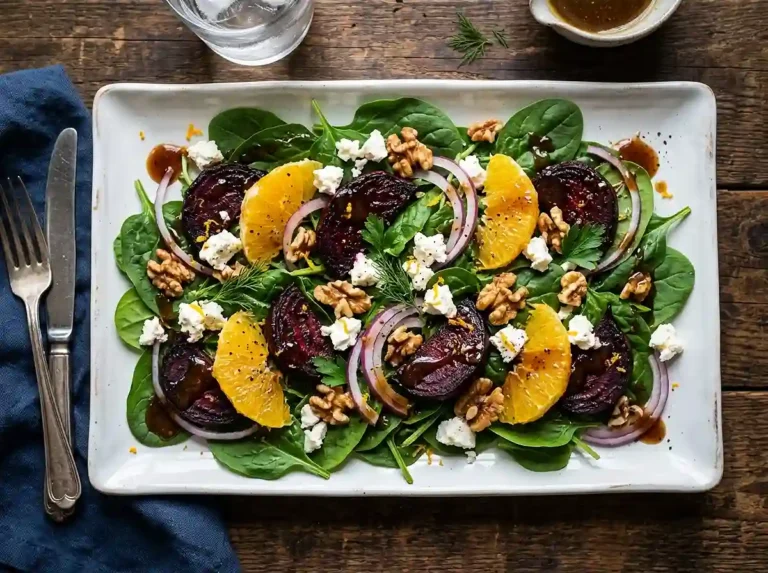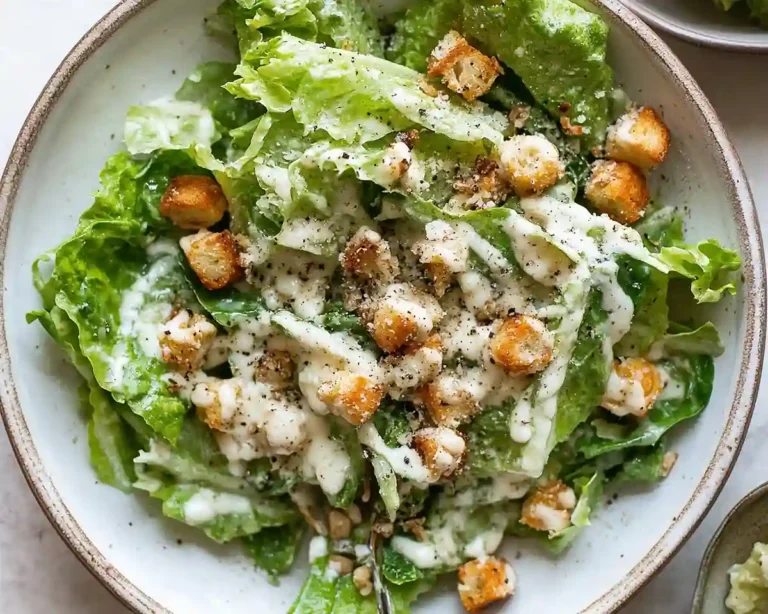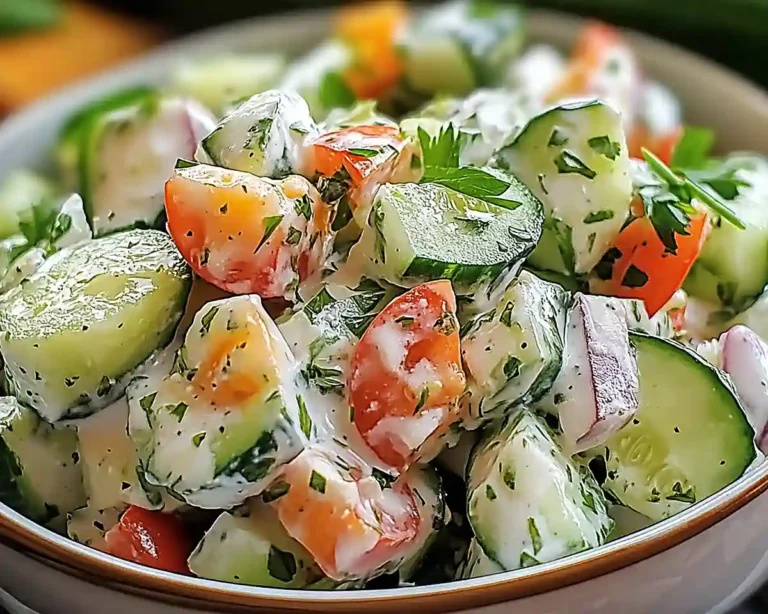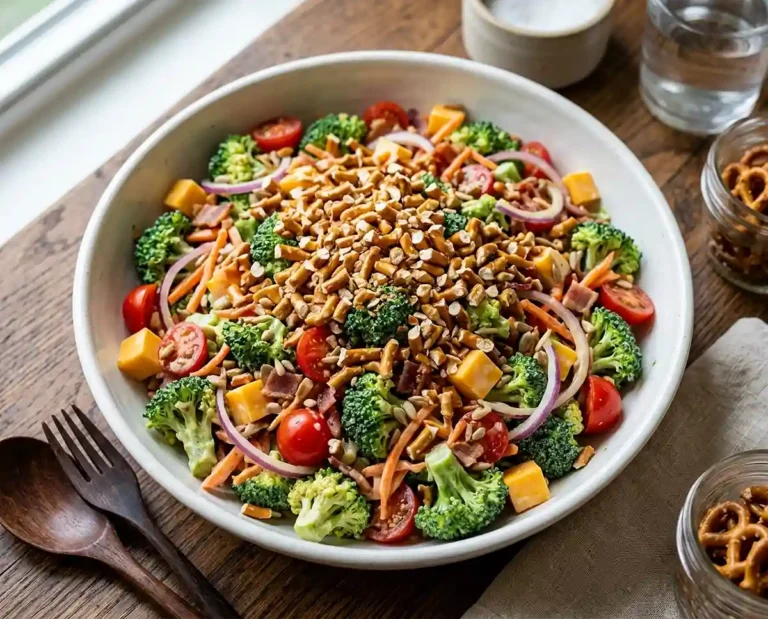
Korean Cucumber Salad
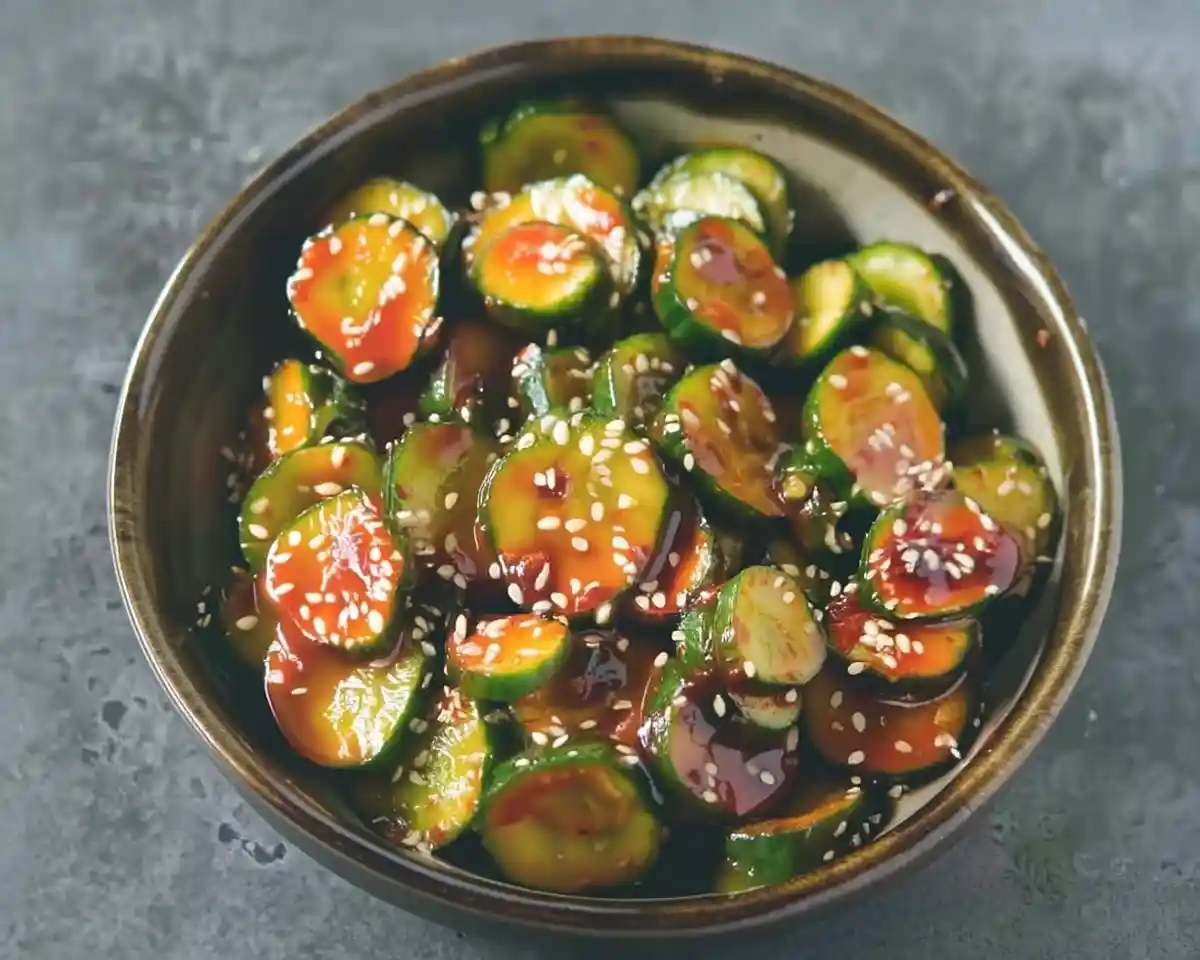
Make this Korean cucumber salad in 40 minutes! Crispy, spicy, and perfectly tangy. A versatile banchan side dish that pairs with rice, noodles, and Korean meals.
There’s something magical about walking into a Korean restaurant and seeing those beautiful banchan—all those colorful side dishes just waiting to be enjoyed. I remember the first time I tasted a proper Korean cucumber salad, and honestly, I was completely hooked by how simple yet utterly flavorful it was.
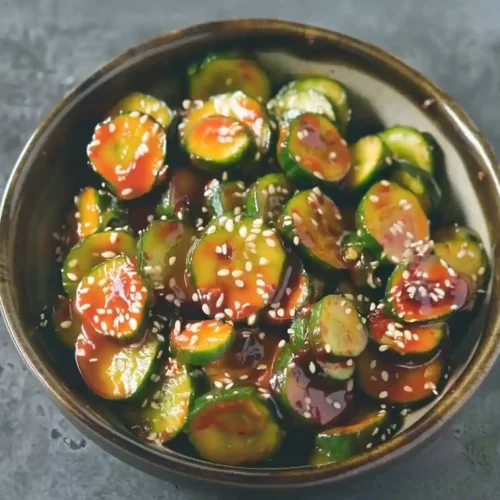
The beauty of this Korean cucumber salad recipe lies in its beautiful contradiction—it’s ridiculously easy to make, yet tastes like something a seasoned Korean cook spent hours perfecting. The crisp cucumber pieces, coated in a gochujang-spiked dressing that’s just the right balance of spicy, sweet, and tangy, become something you’ll find yourself craving at random moments. You know what I mean, right?
This Korean side dishes masterpiece comes together in about 40 minutes total, with most of that time being hands-off while your cucumbers release their liquid and the flavors develop. Well, I should say—if you’re a Korean food lover looking to expand your banchan repertoire, this simple Korean cucumber salad recipe is going to become an absolute staple in your home.
Table of Contents
Why This Korean Cucumber Salad Works
This Korean food side dishes recipe has become legendary in my kitchen because it hits every single note you want in a banchan. The quick pickling process makes the cucumbers tender yet still wonderfully crisp, while the gochujang-based dressing delivers authentic Korean flavor without requiring a trip to specialty stores—though Korean ingredients are easier to find than ever these days.
What makes a Korean cucumber salad recipe so brilliant is that it’s genuinely fool-proof while tasting sophisticated and intentional. The salt-drawing step removes excess water, ensuring your side dish stays crispy and doesn’t become soggy when it sits. This means you can genuinely make it ahead for meal prep without worrying about texture deterioration, making it perfect for busy families.
Korean Cucumber Salad
Equipment
- Strainer with catch basin
- Mixing bowl
- Sharp knife
- Cutting board
- Whisk or spoon for mixing
- Airtight container for storage
Ingredients
Cucumbers
- 1 lb Korean, Japanese, or English cucumbers pickling varieties work best
- 1 ½ tsp Salt for drawing out water
Dressing Components
- 1 tbsp Gochujang Korean red chili paste
- 1–2 tbsp Liquid sweetener or sugar adjust to taste preference
- ½ tbsp Soy sauce
- 2 tsp Gochugaru Korean red chili flakes
- 3 cloves Garlic, minced
- 1 tsp Sesame seeds for dressing
- 1 tbsp Sesame oil
- 1 whole Scallion, chopped optional
- 1 tbsp Rice vinegar
For Serving
- Extra sesame seeds for topping
Instructions
- Step 1: Prepare Your Cucumbers – Slice your cucumbers into ¼ to ¾-inch thick pieces—this is genuinely your personal preference, though ½-inch pieces give the most satisfying bite. The thickness matters because thicker pieces hold their crisp texture better, almost like little jade-green coins that snap between your teeth when you eat them.
- Step 2: Draw Out the Water – Place your sliced cucumbers into a strainer with a catch basin underneath, then add the salt and mix thoroughly to coat every piece. Let this sit for 30 minutes at minimum, though I always recommend waiting a full hour in the refrigerator if you have time—the longer they sit, the more water releases, creating a crispier final result.
- The longer you allow the salted cucumbers to rest, the less liquid they’ll eventually release into your dressing later, preventing that dreaded soggy-salad situation. This step is absolutely non-negotiable if you’re making this Korean cucumber salad recipe ahead for meal prep, as it ensures lasting crispness even after several days in the refrigerator.
- Step 3: Mix Your Dressing – While your cucumbers are releasing their liquid, combine gochujang, sweetener, soy sauce, gochugaru, minced garlic, sesame seeds, sesame oil, scallion if using, and rice vinegar in a mixing bowl. Stir everything together until the dressing is smooth and fragrant, with that gorgeous reddish-orange color that signals authentic Korean seasoning.
- Taste as you go and adjust the sweetness, spice level, and saltiness to match your preferences—this Korean side dishes recipe thrives on personalization. Some people prefer more gochugaru for extra heat, while others lean into the sweet notes; there’s no “wrong” way to season your own banchan.
- Step 4: Combine and Chill – Drain away any remaining liquid from your cucumbers, then transfer them to a large bowl and pour the prepared dressing over top. Mix everything together until each cucumber slice is beautifully coated in that spicy, fragrant dressing, then top with additional sesame seeds.
- Refrigerate this Korean cucumber salad recipe for at least 15 minutes before serving, allowing the flavors to meld and the cucumbers to absorb all that delicious seasoning. Serve it cold, either as a banchan alongside rice and other Korean dishes, or as a refreshing complement to noodles and grilled proteins.
Notes
Ingredients

| Ingredient | Amount |
|---|---|
| Korean, Japanese, or English cucumbers | 1 lb |
| Salt | 1 ½ tsp |
| Dressing Components | |
| Gochujang (Korean red chili paste) | 1 tbsp |
| Liquid sweetener or sugar | 1–2 tbsp |
| Soy sauce | ½ tbsp |
| Gochugaru (Korean red chili flakes) | 2 tsp |
| Garlic, minced | 3 cloves |
| Sesame seeds | 1 tsp |
| Sesame oil | 1 tbsp |
| Scallion, chopped | 1 (optional) |
| Rice vinegar | 1 tbsp |
| Extra sesame seeds for topping | For serving |
Instructions
Step 1: Prepare Your Cucumbers
Slice your cucumbers into ¼ to ¾-inch thick pieces—this is genuinely your personal preference, though I find ½-inch pieces give the most satisfying bite. The thickness matters because thicker pieces hold their crisp texture better, almost like little jade-green coins that snap between your teeth when you eat them.
Step 2: Draw Out the Water – The Secret Step
Place your sliced cucumbers into a strainer with a catch basin underneath, then add the salt and mix thoroughly to coat every piece. Let this sit for 30 minutes at minimum, though I always recommend waiting a full hour in the refrigerator if you have time—the longer they sit, the more water releases, creating a crispier final result.
The longer you allow the salted cucumbers to rest, the less liquid they’ll eventually release into your dressing later, preventing that dreaded soggy-salad situation. This step is absolutely non-negotiable if you’re making this Korean cucumber salad recipe ahead for meal prep, as it ensures lasting crispness even after several days in the refrigerator.
Step 3: Mix Your Dressing
While your cucumbers are releasing their liquid, combine gochujang, sweetener, soy sauce, gochugaru, minced garlic, sesame seeds, sesame oil, scallion if using, and rice vinegar in a mixing bowl. Stir everything together until the dressing is smooth and fragrant, with that gorgeous reddish-orange color that signals authentic Korean food seasoning.
Taste as you go and adjust the sweetness, spice level, and saltiness to match your preferences—this Korean side dishes recipe thrives on personalization. Some people prefer more gochugaru for extra heat, while others lean into the sweet notes; there’s no “wrong” way to season your own banchan.
Step 4: Combine and Chill
Drain away any remaining liquid from your cucumbers, then transfer them to a large bowl and pour the prepared dressing over top. Mix everything together until each cucumber slice is beautifully coated in that spicy, fragrant dressing, then top with additional sesame seeds.
Refrigerate this Korean cucumber salad recipe for at least 15 minutes before serving, allowing the flavors to meld and the cucumbers to absorb all that delicious seasoning. Serve it cold, either as a banchan alongside rice and other Korean dishes, or as a refreshing complement to noodles and grilled proteins.

Substitutions & Ingredient Swaps
Cucumber Varieties – Use any pickling cucumber variety you can find, including Persian, Kirby, or standard English cucumbers. The key is choosing smaller, firmer varieties rather than large watery salad cucumbers, as they hold their crisp texture better in this Korean food side dishes recipe.
Gochujang Alternatives – If you can’t locate gochujang, mix two tablespoons of sambal oelek with one tablespoon of miso paste and a touch of honey. This won’t be identical to the traditional Korean ingredient, but it captures the spicy-fermented essence and creates a workable Korean cucumber salad recipe variation.
Sweetener Options – Swap the sugar or liquid sweetener for honey, mirin, or even brown sugar depending on what you have in your pantry. Each sweetener brings slightly different flavor notes, so feel free to experiment and find your perfect balance in this Korean side dishes creation.
Sesame Oil Substitutes – In a pinch, use a high-quality olive oil or avocado oil, though you’ll lose that distinctive nutty Korean flavor. Sesame oil is relatively inexpensive and lasts forever in your pantry, so I’d recommend keeping a bottle on hand for countless banchan recipes.
Fresh Herb Variations – Add fresh cilantro, mint, or Thai basil for herbal brightness that complements the spicy dressing beautifully. These additions create a fresh Korean cucumber salad recipe variation that feels lighter and more summery while maintaining authentic flavor.
Troubleshooting Tips for Perfect Results
Soggy Cucumber Situation – If your salad becomes watery, you didn’t salt and drain the cucumbers long enough beforehand. Always allow at least 45 minutes to an hour of resting time, especially if making this Korean food side dishes recipe ahead for meal prep.
Dressing Tastes Too Spicy – Add more sweetener, a splash of rice vinegar, or even a bit of sesame oil to balance the heat. Remember that gochugaru intensity varies by brand, so taste as you adjust this Korean cucumber salad recipe to your comfort level.
Bland Flavor Despite Following Recipe – Your gochujang or gochugaru might be older and less potent, or you simply prefer stronger seasonings. Add an extra clove of garlic, increase the gochujang by half a tablespoon, or add more sesame oil to deepen the Korean side dishes flavor profile.
Cucumbers Still Too Watery After Draining – Pat them completely dry with paper towels before mixing with the dressing to remove any lingering surface moisture. Moisture is the enemy of this Korean cucumber salad recipe’s crispy texture, so don’t skip this important step.
Storage & Meal Prep Strategies
Storage Tips for Maximum Freshness – Place your Korean cucumber salad recipe in an airtight container and refrigerate for up to two weeks. The flavors actually deepen and improve over several days as the cucumbers continue absorbing the delicious gochujang dressing, making it an ideal banchan for meal prep.
Meal Prep Strategy for Busy Families – Make this Korean food side dishes recipe in larger batches and portion into individual containers for grab-and-go meals. This Korean cucumber salad recipe pairs beautifully with rice bowls, protein-focused dishes, and noodle meals, making it endlessly versatile for different meal combinations throughout your week.
Serving Suggestions & Pairings
Serve this Korean cucumber salad recipe as a traditional banchan alongside steamed rice and your favorite Korean mains like Korean beef bulgogi, spicy chicken, or vegetable bibimbap. The crisp, tangy elements cut through rich foods beautifully, making this Korean food side dishes perfect for balancing heavier proteins.
This Korean side dishes recipe also works wonderfully as a cool complement to hot noodle dishes like spicy ramen or cold naengmyeon. You can even enjoy it as a refreshing appetizer at Korean barbecue gatherings, where it cleanses the palate between meat courses and adds authentic Korean flavor to your table.
Variations & Dietary Adjustments
Make It Vegan – This Korean cucumber salad recipe is already naturally vegan-friendly, as all the dressing components come from plant-based sources. No modifications needed—it’s perfect as-is for anyone following a plant-based diet looking for authentic Korean food side dishes.
Add Extra Vegetables – Toss in thin carrot matchsticks, radish slices, or bell pepper strips for additional color and texture variations. You know, sometimes I add a handful of sesame-coated cashews for extra crunch and richness in this Korean side dishes creation.
Create a Spicy Noodle Bowl Version – Mix this Korean cucumber salad recipe with cold cooked noodles, a drizzle of extra sesame oil, and some roasted chicken or tofu for a complete meal. The crisp cucumbers provide wonderful contrast to the soft noodles while maintaining that authentic Korean food flavor profile.
Kid-Friendly Adaptation – Reduce the gochugaru amount significantly and use less spicy gochujang, or replace it with a milder miso-based dressing. Many children love the crisp texture and slightly sweet flavor when the heat level is adjusted to their preferences.
Connect With More Korean & Asian Salad Ideas
Looking for more authentic Korean side dishes and banchan recipes? Check out our guide on traditional Korean food flavoring techniques to elevate your Asian cooking skills. If you’re exploring other refreshing salad options, discover our collection of crisp vegetable salad recipes that celebrate fresh produce in new ways.
Want to expand your banchan repertoire? Try our spicy Asian side dishes for more authentic Korean food recipes that transform any meal into a complete dining experience.
FAQs About Korean Cucumber Salad
Can I use regular table salt instead of kosher salt for this Korean cucumber salad recipe?
Yes, though reduce the amount slightly since table salt is denser and saltier by volume than kosher salt. For this Korean food side dishes recipe, use about 1 teaspoon of table salt instead of 1½ teaspoons to avoid over-salting your cucumbers.
How long does this Korean side dishes recipe actually last in the refrigerator?
This Korean cucumber salad recipe keeps for up to two weeks in an airtight container, though I find it tastes best within the first 5-7 days. The cucumber texture remains pleasantly crisp even after extended storage, making it incredibly practical for meal prep.
mber salad recipe?
Control heat through gochugaru amount—use less for milder flavor, or increase for extra kick if you genuinely love spicy food. You can also balance heat with additional sweetener or sesame oil, creating your perfect version of this Korean food side dishes recipe.
Can I make this Korean cucumber recipe salad recipe without gochujang or gochugaru?
While not traditional, you can create a simpler Korean-inspired version using soy sauce, garlic, sesame oil, rice vinegar, and a touch of honey. The result won’t be quite the same as authentic banchan, but it captures the essence of this Korean side dishes concept.
Why should I let the cucumbers sit with salt before making the dressing?
Salting draws out excess water through osmosis, making your cucumbers stay crisp longer without becoming soggy in the dressing. This step is crucial for this recipe recipe’s success, especially if you’re preparing it several days ahead for meal prep.

Research & References
According to nutritional research on fermented foods, fermented ingredients like gochujang contain beneficial probiotics and enzymes that support digestive health—making this Korean food side dishes recipe not just delicious but genuinely nutritious. The fermentation process also enhances the absorption of nutrients, a principle that’s been central to Korean cuisine for centuries.
For expert guidance on properly handling and storing fresh produce, check out this science-based vegetable freshness guidance to ensure your cucumbers remain crisp and safe throughout storage. Proper preparation and storage techniques are essential for maintaining this Korean cucumber salad recipe’s quality over its two-week shelf life.
Final Tips
The magic of this Korean food side dishes recipe truly lies in balancing flavors—the fermented depth of gochujang, the bright heat of gochugaru, the aromatic richness of sesame oil, and the cool crispness of properly salted cucumbers. Don’t be afraid to taste and adjust as you make it, since every palate is different and this Korean cucumber salad recipe welcomes personalization beautifully.
Remember that this banchan improves over time as flavors meld together, so making it ahead is not just practical—it’s actually the preferred approach for achieving the most authentic taste. Whether you’re serving this Korean side dishes recipe at a casual family dinner or bringing it to a Korean barbecue gathering, it’s guaranteed to impress with its balance of simplicity and sophisticated flavor.